Engineering
Site assessment, system design, capacity planning, and electrical configuration.

Our Services
From design and permitting to commissioning and monitoring — engineered for commercial and industrial performance.
View all services →India
Looking for reliable solar EPC contractors in India to plan and execute your solar power project? Choosing the right engineering, procurement, and construction partner is essential for achieving efficient system design, quality installation, and dependable project execution. From site assessment and equipment selection to installation and commissioning, a professional solar EPC partner helps coordinate the critical stages of your solar investment.
Kyra Photon Tech helps businesses explore solar energy solutions suited to their project requirements. Whether you are planning a commercial rooftop installation or a ground-mounted solar power plant, the right approach begins with understanding your energy needs, site conditions, budget, and long-term objectives.
Get a Free Quote
Share the property type, electricity consumption, and installation location.
Engineering, procurement, and construction
Solar EPC contractors manage the engineering, procurement, and construction stages of a solar power project. Depending on the agreed scope, they coordinate the technical design, equipment procurement, installation, testing, and commissioning required to bring a solar energy system into operation.
Working with an experienced EPC contractor can simplify project coordination and help businesses manage technical and execution requirements through a structured process.
Typical solar EPC activities include:
Site assessment, system design, capacity planning, and electrical configuration.
Selection and sourcing of solar modules, inverters, mounting structures, cables, and other essential equipment.
Site preparation, structural work, installation, and electrical integration.
System inspections, performance checks, and commissioning in accordance with applicable requirements.
Documentation, operational guidance, and support according to the contract.
The exact responsibilities depend on the project design and contractual scope.
Rooftop and ground-mounted
Every solar project has different technical and operational requirements. Selecting an appropriate system depends on available space, electricity consumption, site conditions, and the intended application.
Kyra Photon Tech can help prospective customers explore relevant solar project solutions based on its available service offerings.
Rooftop solar installations allow businesses to use suitable roof space to generate electricity for their operations. Factories, warehouses, commercial buildings, and other facilities may evaluate rooftop solar to reduce dependence on grid electricity.
Project planning should consider roof condition, structural suitability, electricity consumption patterns, system capacity, and electrical infrastructure.
Ground-mounted solar systems are installed on suitable land and can be considered for larger commercial, industrial, or other solar power projects.
Important planning factors include land availability, site conditions, mounting structures, electrical infrastructure, grid connectivity, and applicable approvals.
A well-defined EPC scope helps coordinate engineering, equipment procurement, installation, and commissioning. Establishing project requirements early can also help businesses understand deliverables, responsibilities, expected milestones, and budget considerations.
Scope and support
Selecting a solar EPC partner involves more than comparing quotations. Businesses need to understand the technical approach, project scope, equipment specifications, execution process, and support available after installation.
Kyra Photon Tech is a starting point for businesses evaluating solar solutions and looking to discuss their project requirements with a solar provider.
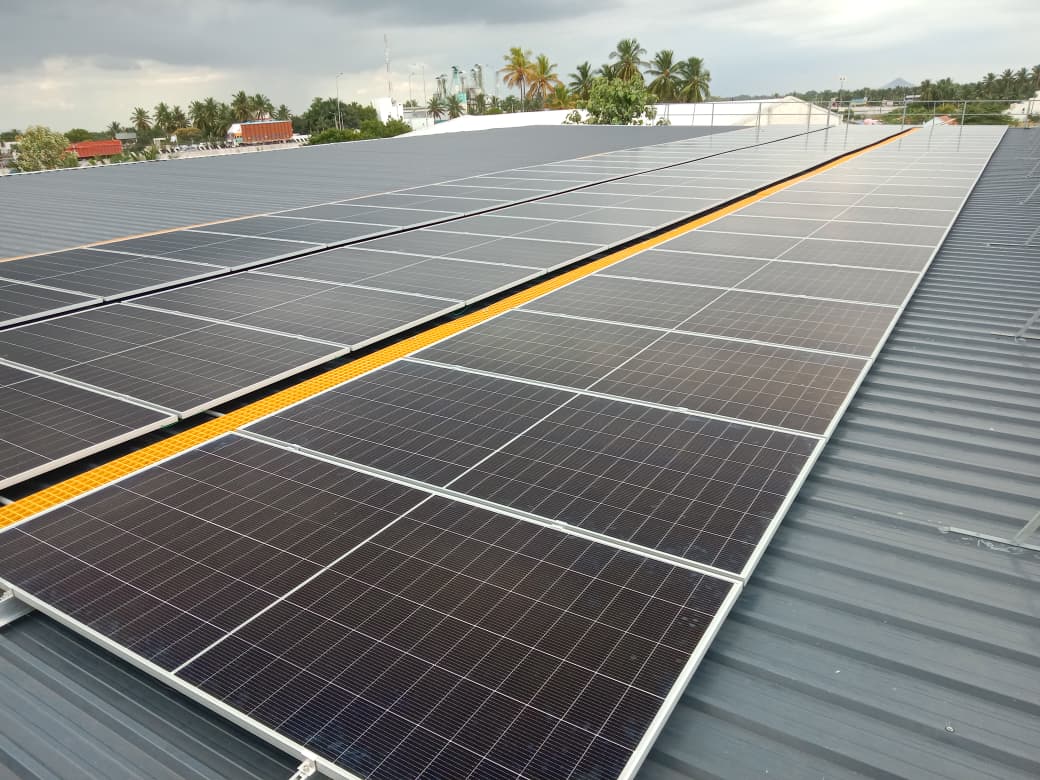
When evaluating a solar EPC proposal, consider the following priorities:
Solar system design should reflect the site's conditions, energy requirements, and installation constraints.
Review module and inverter specifications, product warranties, compatibility, and applicable quality standards.
Ensure the quotation clearly explains engineering, procurement, installation, testing, and commissioning responsibilities.
Understand the proposed installation methods, electrical protection measures, inspection procedures, and applicable safety requirements.
Review equipment, civil works, electrical integration, approvals, exclusions, and payment terms before signing a contract.
Clarify monitoring, maintenance, documentation, warranty coordination, and after-sales responsibilities.
Discuss these requirements with Kyra Photon Tech to determine whether its services align with your project scope and expectations.
Experience, scope, and support
The best solar EPC companies in India are not necessarily the largest. The right contractor is one whose experience, technical capabilities, commercial terms, and execution approach match your project.
Before making a decision, evaluate these factors:
Ask for examples of comparable projects, verified references, and experience with your installation type.
Review the proposed system design, capacity calculations, equipment specifications, and engineering documentation.
Compare quotations based on the complete project scope rather than the headline price alone.
Understand procurement schedules, site preparation, installation milestones, and commissioning requirements.
Confirm equipment warranties, workmanship coverage, maintenance arrangements, and the process for addressing issues.
Check applicable electrical standards, grid-interconnection requirements, permits, and relevant regulatory obligations.
When comparing solar EPC companies, assess each proposal against the same requirements. This makes it easier to identify differences in scope, equipment, costs, and responsibilities.
Capacity, site, and equipment
Solar EPC project costs vary according to system capacity, site conditions, equipment selection, and installation complexity. A reliable estimate should be based on a project-specific assessment rather than a generic price.
Key cost factors include:
Solar panel and inverter specifications.
Rooftop or ground-mounted system configuration.
Mounting structures and civil works.
Electrical infrastructure and grid connectivity.
Site preparation, accessibility, and installation requirements.
Engineering, testing, commissioning, and applicable approvals.
Monitoring, maintenance, and other contracted services.
Project timelines are also influenced by equipment availability, site readiness, approvals, installation complexity, and grid connection requirements.
For an accurate estimate, prepare your site location, approximate electricity consumption, available installation area, and expected system capacity before requesting a quotation.
Project scope
Choosing the right solar EPC contractor is an important step towards planning a solar energy project that meets your operational and commercial objectives.
Kyra Photon Tech can be approached to discuss your requirements and explore suitable solar solutions based on its service capabilities. Whether you are assessing rooftop solar or a ground-mounted installation, start by defining your project scope and identifying the technical and commercial factors that matter most.
The appropriate EPC contractor depends on the project's capacity, location, technical requirements, and contract scope. Businesses should compare contractors based on relevant project experience, engineering capabilities, equipment specifications, execution plans, and verified references before making a decision.
Chennai office
Kyra Photon Tech can be approached to discuss your requirements and explore suitable solar solutions based on its service capabilities.