Engineering
Technical feasibility, system sizing, layout planning, and electrical design.

Our Services
From design and permitting to commissioning and monitoring — engineered for commercial and industrial performance.
View all services →India
Looking for reliable solar EPC companies in India to plan your next solar power project? Choosing the right Engineering, Procurement, and Construction (EPC) partner can make a significant difference to project planning, installation quality, equipment selection, and long-term operating costs.
Kyra Photon Tech helps businesses explore solar energy solutions based on their site conditions, electricity requirements, and project objectives. Whether you are evaluating rooftop solar for a commercial facility or considering a ground-mounted solar installation, the right starting point is a clear understanding of your energy needs and project feasibility.
A well-planned solar EPC project brings together technical design, equipment procurement, installation, electrical integration, and commissioning under a defined project scope. Comparing providers on these factors helps businesses make informed investment decisions rather than choosing a contractor on price alone.
Get a Free Quote
Share the property type, electricity consumption, and installation location.
Engineering, procurement, construction
Solar EPC companies manage the engineering, procurement, and construction activities involved in developing solar power installations. Depending on the contract, an EPC provider may coordinate the project from initial engineering through equipment procurement, construction, testing, commissioning, and handover.
A typical solar EPC scope can include:
Technical feasibility, system sizing, layout planning, and electrical design.
Selection and sourcing of solar modules, inverters, mounting structures, and electrical components.
Site preparation, mounting structure installation, module installation, cabling, and electrical integration.
System checks, testing, documentation, and preparation for operation.
Monitoring, maintenance, and troubleshooting where included in the agreement.
Not every solar company provides the same services. Some focus on manufacturing solar modules, while others specialize in distribution, project development, EPC execution, or maintenance.
When comparing solar EPC companies in India, check whether the provider can deliver the complete scope your project requires or whether additional contractors will be needed.
From assessment to support
A Solar EPC Company in India coordinates the key activities required to turn a solar project plan into an operational installation.
The process begins with understanding your electricity consumption, site conditions, available installation space, and project objectives.
For commercial and industrial facilities, historical electricity bills and consumption patterns can help determine a suitable preliminary system capacity. Roof condition, shading, land availability, and existing electrical infrastructure also influence feasibility.
The engineering stage determines the proposed system configuration, equipment specifications, layout, and electrical design.
A suitable design considers site conditions, expected energy requirements, safety standards, and grid connectivity requirements. Businesses should request a proposal that clearly explains the technical assumptions behind the recommended system.
Solar modules, inverters, mounting structures, cables, and protection equipment must be selected according to the project's specifications.
Before approving procurement, compare equipment models, technical compatibility, warranty terms, supplier documentation, and applicable standards.
Installation involves preparing the site, setting up mounting structures, installing solar modules, completing electrical connections, and coordinating associated construction activities.
Quality control, electrical safety, and compliance with applicable technical requirements are essential throughout execution.
Before handover, the relevant system checks and commissioning procedures should be completed. Customers should receive the agreed technical documentation, operating information, warranty details, and clarification of outstanding responsibilities.
Depending on the contract, an EPC provider may offer monitoring, preventive maintenance, troubleshooting, and technical support.
Clarify whether these services are included in the initial quotation, offered under a separate agreement, or provided through another service partner.
Roof, ground, and a custom scope
The right solar EPC solution depends on electricity consumption, site suitability, available space, installation requirements, and the intended use of generated power.
Businesses with substantial electricity consumption may evaluate solar power to reduce reliance on grid electricity and improve energy-cost planning.
An effective project assessment considers operating hours, consumption patterns, applicable electricity tariffs, available roof or land area, and electrical infrastructure.
A project-specific proposal should explain the proposed system capacity, equipment configuration, installation scope, expected generation assumptions, and estimated costs.
Rooftop solar systems use available roof space to generate electricity for business operations.
Before proceeding, the project team should assess roof condition, structural suitability, shading, access for maintenance, and electrical integration.
Suitable sites may include factories, warehouses, offices, and other commercial buildings, subject to feasibility and the service provider's capabilities.
Ground-mounted solar projects may be suitable for organizations with adequate land and appropriate access to electrical infrastructure.
Planning may involve land assessment, site preparation, system layout, mounting structures, electrical works, grid connectivity, and applicable approvals.
The final configuration depends on site characteristics, project capacity, budget, and regulatory requirements.
Different facilities have different energy demands and operational constraints. A customized assessment can help establish the most appropriate system configuration, project scope, and implementation requirements.
Compare the full scope
The best solar EPC partner is the one that can meet your project's technical, commercial, and operational requirements. Before choosing a provider, evaluate the following factors.
Ask for examples of completed projects comparable to yours in terms of capacity, installation type, and technical complexity. Verified case studies can help demonstrate the provider's experience.
Check whether the proposed design reflects your energy consumption, site conditions, safety requirements, and grid connectivity needs.
Request the specific module and inverter models, equipment specifications, applicable certifications, and written warranty terms.
A quotation should clearly identify the system capacity, included equipment, installation scope, exclusions, taxes, payment terms, and any additional work that may be required.
Ask for a proposed schedule covering engineering, procurement, installation, inspections, and commissioning. Understand the dependencies that could affect delivery.
Review the provider's installation procedures, electrical safety practices, quality checks, and commissioning documentation.
Clarify responsibility for relevant applications, inspections, connectivity coordination, and approvals. Requirements can differ according to the location, system type, capacity, and applicable regulations.
Confirm who will handle monitoring, maintenance, troubleshooting, and warranty-related issues after handover.
Where available, review genuine customer feedback, project photographs, references, and supporting documentation.
A practical tip: Compare at least two or three quotations using the same capacity assumptions, equipment specifications, installation scope, warranties, and maintenance requirements. This makes it easier to evaluate total project value rather than the initial price alone.
Feasibility and the contract
Choosing a solar EPC partner requires more than comparing equipment prices. Businesses need a clear understanding of technical feasibility, project execution, commercial terms, and the support available after installation.
Kyra Photon Tech is the brand to contact for discussing your solar requirements and exploring its available solar solutions.
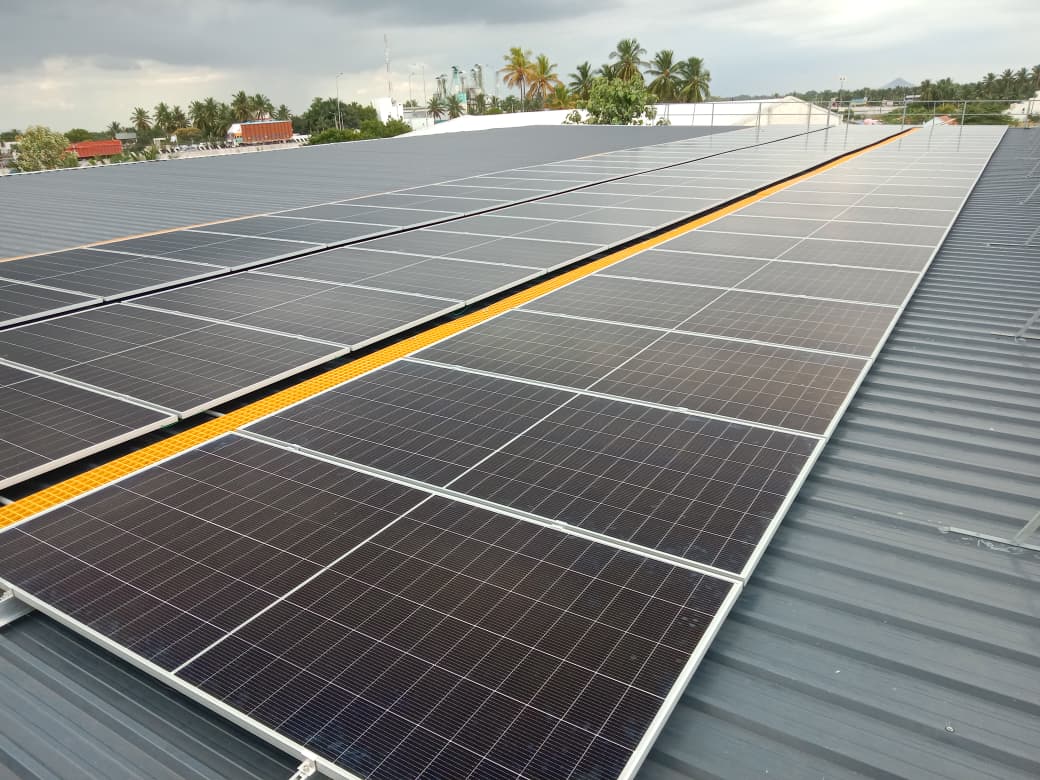
When evaluating a project with Kyra Photon Tech, focus on the following priorities:
Explain your energy consumption, facility type, available installation area, and project objectives.
Request details of the proposed system configuration, equipment specifications, and installation requirements.
Confirm the deliverables, exclusions, responsibilities, payment milestones, and proposed timelines in writing.
Understand the estimated investment and the assumptions behind any projected energy generation, savings, or payback period.
Clarify warranty coverage, commissioning documentation, monitoring, and maintenance responsibilities.
Before proceeding, ask for a project-specific proposal that explains how the recommended solution aligns with your facility's requirements.
To strengthen your decision, review the company's verified project experience, relevant technical capabilities, certifications, and customer references where available.
Enquiry to commissioning
A structured project process helps businesses understand the steps involved before committing to a solar installation.
Step 1: Initial Discussion
Share your project location, facility type, electricity consumption, available space, and estimated capacity requirements.
Step 2: Site Assessment
Review site conditions, structural suitability, electrical infrastructure, and potential grid connectivity requirements.
Step 3: Technical and Commercial Proposal
Evaluate the proposed system design, equipment specifications, project cost, installation scope, and commercial assumptions.
Step 4: Engineering and Procurement
Once the scope is approved, coordinate engineering, equipment procurement, scheduling, and site preparation according to the agreement.
Step 5: Installation and Commissioning
Complete the agreed installation activities, conduct relevant checks, and coordinate required inspections and connectivity arrangements.
Step 6: Handover and Support
Review the system documentation, operating requirements, warranties, and any ongoing maintenance or monitoring services included in the contract.
Project timelines depend on system capacity, site readiness, equipment availability, approval processes, and grid connectivity. Confirm the schedule with the selected EPC provider before starting work.
What changes the price
There is no single price that applies to every solar EPC project. The final investment depends on system size, site conditions, equipment selection, installation complexity, and the services included in the contract.
Important cost factors include:
The proposed installed capacity and associated equipment requirements.
Equipment technology, specifications, warranties, and compatibility.
Rooftop or ground-mounted installation requirements.
Structural reinforcement, land preparation, access, and shading-related constraints.
Cabling, switchgear, protection equipment, transformers, and grid connectivity requirements where applicable.
Labour, project management, testing, and associated construction work.
Monitoring systems and any contracted ongoing services.
Applicable taxes, regulatory requirements, and the allocation of approval-related responsibilities.
When requesting a quotation, ask for an itemized cost breakdown and confirm whether all required work is included.
For commercial and industrial projects, a financial assessment should consider expected energy generation, electricity tariffs, self-consumption, operating expenses, applicable charges, and changes in energy usage.
Projected savings and payback periods should be based on documented assumptions and site-specific calculations, not guaranteed in advance.
Check the scheme first
Solar subsidy eligibility depends on the applicable government scheme, customer category, installation type, system capacity, and current guidelines.
Residential rooftop solar schemes may provide financial assistance to eligible households that meet the applicable conditions. Commercial and industrial projects should not assume that residential rooftop subsidies apply to their installations.
Before including a subsidy in your project calculations, verify:
Consult the Ministry of New and Renewable Energy official website of the relevant government programme for current information.
Treat any potential subsidy as a separate eligibility consideration until confirmed. The project should also be assessed on its technical suitability and commercial feasibility without relying on an unverified incentive.
Solar EPC companies manage the engineering, procurement, and construction stages of solar power installations. Their services may include technical design, equipment sourcing, installation, testing, commissioning, and project handover.
Feasibility and the next step
Choosing among solar EPC companies in India starts with understanding your facility's energy requirements, site conditions, budget, and long-term operating objectives.
A suitable EPC proposal should clearly explain the technical design, equipment specifications, project scope, cost assumptions, execution timeline, and support arrangements.
Kyra Photon Tech is your point of contact for discussing your solar requirements and exploring the solutions available for your project.
Share your project details to begin a conversation about feasibility, system configuration, and the next steps toward a solar installation.
Ready to explore solar for your business?
Chennai office
Share your project details to begin a conversation about feasibility, system configuration, and the next steps toward a solar installation.
India
Discuss your requirements with Kyra Photon Tech and explore the next steps for your business.